
 0 Likes
 0
Views
0
Views
 Written by - Vivek
 Introduction
If you’re running an independent pharmacy in the UK, you already know that NHS dispensing margins alone are not enough to build a sustainable, growing business. Reimbursement pressures, rising overheads, and increasing competition from online pharmacies have made it more important than ever to diversify your income — without compromising on patient care.
Private pharmacy services are the answer. Offered entirely outside of NHS contracts, these services allow you to set your own pricing, serve patients faster, and build lasting relationships that go well beyond repeat dispensing. Thousands of UK pharmacies have already started generating significant additional revenue this way — and the market is still far from saturated.
This guide covers every major private service you can legally offer as a UK pharmacy owner, how much revenue each can realistically generate, and the practical steps you need to take to launch them. Whether you’re a single-branch independent or managing a small group, this is the roadmap you need.
1.What Are Private Pharmacy Services?
Private pharmacy services are clinical or wellness services that patients pay for directly — either out of pocket or through private health insurance — rather than being funded by the NHS. As a registered pharmacy, you are legally authorised to offer a wide range of these services, provided you meet the relevant regulatory, training, and accreditation requirements.
The key regulatory bodies you need to stay compliant with include:
-
your pharmacy registration and standards authority
-
governs the supply of medicines
-
required for certain regulated activities, particularly if you offer clinical procedures
-
for any services offered under an NHS contract alongside your private provision
2.1 General Pharmaceutical Council (GPhC) —
2.2 Medicines and Healthcare products Regulatory Agency (MHRA)
2.3 Care Quality Commission (CQC)
2.4 NHS England / ICB
Done correctly, private services don’t just add revenue — they position your pharmacy as a trusted healthcare destination in your community.
2. The Complete List of Private Pharmacy Services You Can Legally Offer
2.1 Private Prescription Dispensing
What it is:
Dispensing medicines prescribed by private doctors, specialists, or dentists, or issuing medicines under a valid Patient Group Direction (PGD) without an NHS prescription.
Revenue potential:
Private prescriptions typically carry a dispensing fee of £5–£25 per item, set entirely by you. Margins on private medicines can be considerably higher than NHS items, particularly for branded or specialist medications. A pharmacy dispensing 50–100 private prescriptions per week can realistically generate £15,000–£40,000 in additional annual revenue from this stream alone.
How to get started:
No additional accreditation is needed beyond your existing GPhC registration. Ensure your team is trained on private prescription labelling requirements under the Human Medicines Regulations 2012. Establish a clear pricing policy and make it visible to patients. Building relationships with local private GPs, consultants, and cosmetic clinics is one of the fastest ways to grow this revenue stream.
3. Travel Health and Vaccination Services
What it is
Providing pre-travel consultations, recommending and administering travel vaccines (hepatitis A and B, typhoid, yellow fever, meningitis, rabies, Japanese encephalitis, and others), and supplying travel medicines such as antimalarials.
Revenue potential
Travel health is one of the most lucrative private services available to pharmacies. A single patient travelling to sub-Saharan Africa may require 3–5 vaccines and antimalarial prophylaxis—generating £150–£400 per consultation. A pharmacy running 10–15 travel appointments per week during peak season (January–August) can generate £60,000–£120,000 per year from this service alone.
How to get started
You will need a GPhC-registered pharmacist who has completed an accredited travel health qualification (such as the ISTM Certificate in Travel Medicine or an RPS-endorsed course). To administer yellow fever vaccines, your pharmacy must be registered as a Yellow Fever Vaccination Centre with the National Travel Health Network and Centre (NaTHNaC). Your Patient Group Directions must cover each medicine you intend to supply. A travel health booking system and dedicated consultation room are strongly recommended.
4. NHS Flu and Private Vaccination Services
What it is
Offering paid private consultations for common conditions — UTIs, skin conditions, eye infections, cold sores, hay fever, minor injuries, and more — with the pharmacist either supplying a prescription-only medicine under a PGD or recommending appropriate OTC treatment.
Revenue potential
Consultation fees of £20–£50 per appointment, with additional revenue from medicine supply. A pharmacy offering 10 consultations per day, five days per week, generates £52,000–£130,000 in consultation fees alone annually. Conversion to medicine sales adds further margin.
How to get started
This service is built on Patient Group Directions — structured legal frameworks that allow pharmacists to supply specified POMs to defined patient groups without an individual prescription. The PGD pathway is one of the most important growth tools available to UK pharmacy owners.
Want to understand exactly how PGDs work, which conditions you can cover, and how to get them in place at your pharmacy?
We’ve put together a detailed guide that walks you through the full PGD process—from legal framework to launch: PGDs in UK Pharmacies
6. Sexual Health Services
What it is
Providing emergency hormonal contraception (EHC), STI testing kits, HIV self-tests, chlamydia screening and treatment, and sexual health consultations privately.
Revenue potential
EHC (e.g., Levonorgestrel or EllaOne) is priced at £20–£35 per supply privately, compared to the heavily subsidized NHS rates. STI test kits carry margins of £20–£60 per kit. A pharmacy supplying EHC 10–15 times per week generates £10,000–£27,000 annually just from that one item. Adding STI testing and consultations significantly increases this figure.
How to get started
EHC can be supplied under a PGD without a prescription. For wider sexual health services, consider applying for a locally commissioned NHS sexual health service if one is available in your area, while also offering a private tier. Staff must be trained in having sensitive conversations and maintaining patient confidentiality. Chlamydia treatment (azithromycin) requires a specific PGD. Partnering with a recognised digital testing service is a fast route to offering a broader STI panel.
7. Smoking Cessation Services
What it is
Offering one-to-one stop-smoking consultations, supplying nicotine replacement therapy (NRT) and prescription stop-smoking medications (varenicline, bupropion) privately, and providing structured behavioural support programmes.
Revenue potential
A full 12-week private stop-smoking programme can be priced at £80–£150 (consultation fees only, excluding product). With 10 patients per week completing programs, annual revenue from consultations alone reaches £40,000–£78,000. NRT and prescription medicine sales provide additional margin.
How to get started
Pharmacists should complete an accredited smoking cessation adviser qualification (e.g., Level 2 Certificate in Smoking Cessation). Varenicline (Champix/generic) requires a PGD or private prescription. Invest in CO (carbon monoxide) breath testing equipment—it greatly increases patient engagement and demonstrates clinical credibility.
8. Weight Management Services
What it is
Offering structured weight management consultations, private prescriptions or PGD supply of weight loss medications (including GLP-1 receptor agonists such as semaglutide and tirzepatide), BMI and body composition assessments, and dietary coaching.
Revenue potential
This is currently one of the fastest-growing revenue streams in UK community pharmacy. Monthly prescriptions for GLP-1 medications are priced at £150–£280 per month per patient. With 50 active patients on an ongoing programme, a pharmacy generates £90,000–£168,000 annually from medication supply alone, with consultation fees on top. Patient retention tends to be high, creating a reliable recurring revenue stream.
How to get started
Pharmacists must complete training on the clinical management of obesity and the safe use of weight management medicines. GLP-1 agonists must be supplied via a private prescription (a prescribing pharmacist or GP is required) or under an approved PGD where one exists. You will need a robust clinical governance framework, including blood pressure monitoring, BMI assessment, and contraindication screening. Ensure your supply chain for GLP-1 medicines is reliable and MHRA-compliant.

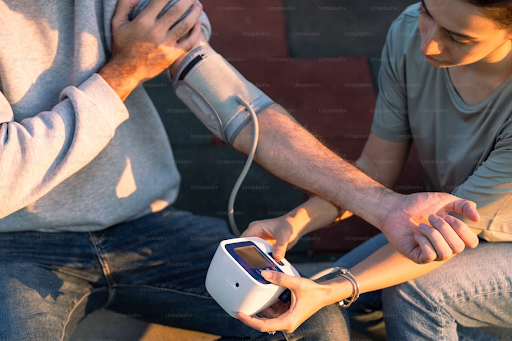
9. Hypertension and Cardiovascular Screening
What it is
Offering blood pressure checks, cardiovascular risk assessments, ECG testing, lipid profiling, and hypertension management consultations for private patients.
Revenue potential
A 30-minute cardiovascular health check priced at £40–£80 generates strong revenue with relatively low overhead. Corporate wellness contracts — where you offer staff health screenings to local businesses — can bring in £5,000–£20,000 per contract per year. Annual health checks offered directly to consumers are a growing market.
How to get started
No additional pharmacy registration is required for non-invasive screening. Invest in a validated automated BP monitor, a portable ECG device (such as AliveCor), and point-of-care lipid testing equipment. Consider partnering with a local GP or cardiologist for patient referral pathways. Corporate wellness is an underused channel—even two or three business clients per year significantly boost income.
10. Ear Wax Removal (Microsuction and Irrigation)
What it is
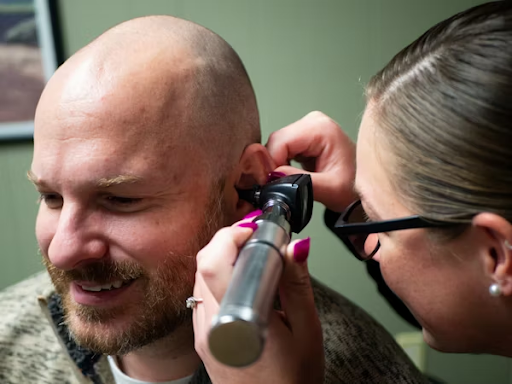
Providing professional earwax removal using microsuction (the gold standard), ear irrigation, or manual removal by a trained clinician.
Revenue potential
Earwax removal appointments are typically priced at £50–£90 per session (bilateral). With just 5 appointments per day, a pharmacist or trained nurse generates £65,000–£117,000 annually. This is one of the highest revenue-per-hour private services available to pharmacies, and NHS waiting times for this procedure have created extremely high demand.
How to get started
You will need at least one team member trained in otoscopy and the chosen removal technique (microsuction courses are widely available and take 1–2 days). Invest in a quality video otoscope and microsuction unit. A soundproofed consultation room is ideal. Marketing this service through local Facebook groups, GP surgery noticeboards, and audiology referral networks brings appointments quickly.
11. Vitamin and Wellness Injections
What it is
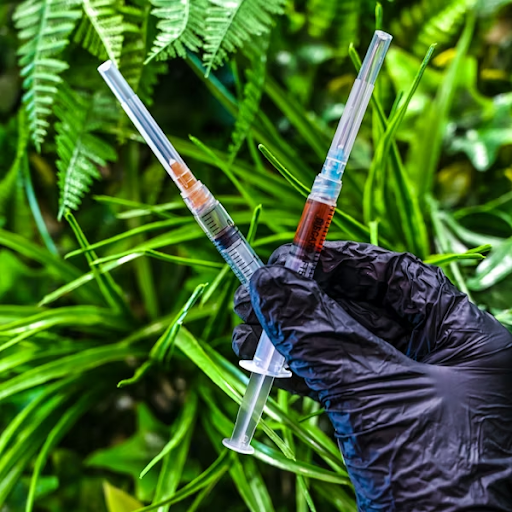
Administering intramuscular or subcutaneous injections for B12, vitamin D, glutathione, and other wellness compounds, typically to patients seeking energy improvement, immunity support, or skin health benefits.
Revenue potential
B12 injections are typically priced at £25–£40 per injection, with many patients returning monthly. A vitamin D injection (Stosstherapy) costs £40–£80. IV vitamin therapy (offered by a small number of pharmacies with appropriate clinical governance) commands £100–£300 per session. A pharmacist administering 10–20 wellness injections per week generates £13,000–£40,000 per year from this service alone.
How to get started
Pharmacists must hold a current injection technique certificate. Cyanocobalamin and hydroxocobalamin (B12) can be supplied under a PGD. You must have a clearly documented clinical governance policy covering anaphylaxis management, patient assessment, and consent. Ensure your GPhC registration and public liability insurance cover aesthetic and wellness procedures.
12. Phlebotomy and Private Blood Testing
What it is
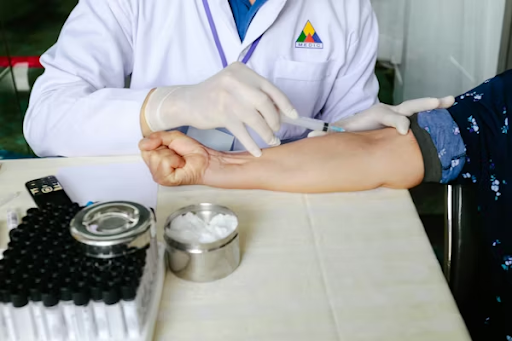
Offering private blood draw services—either for tests you process in-house using point-of-care devices or as a sample collection service for private pathology laboratories (e.g., Randox, Thriva, Medichecks, The Doctors Laboratory).
Revenue potential
Phlebotomy session fees range from £20 to £50 per patient (excluding test costs). Partnering with a private lab and offering a curated menu of health tests (full blood count, thyroid, diabetes, hormones, vitamin panels) at retail prices of £60–£250 generates a substantial margin. A pharmacy processing 20 blood tests per week at an average margin of £30 per test earns £31,000 per year from this service.
How to get started
At least one team member must complete an accredited phlebotomy training course (British Phlebotomy Association or equivalent). Establish a partnership with one or more private pathology laboratories for sample processing. Invest in a small centrifuge and cold storage for sample handling if required by your lab partner. A comfortable, private clinical room is essential.
13. Skin, Allergy, and Dermatology Services
What it is
Offering private skin assessments, mole mapping referrals, acne consultations, allergy testing (prick testing, blood testing, intolerance panels), and prescription skincare supplies.
Revenue potential
A private dermatology consultation priced at £60–£100, combined with prescription skincare products carrying strong retail margins, creates a recurring patient relationship. Allergy testing panels can be sold at £80–£200 per patient. Skin health is a high-growth sector driven by increased consumer interest in preventative care.
How to get started
Pharmacist Independent Prescribers (PIPs) are ideally placed to offer prescription skincare as part of a holistic service. For allergy testing, partner with a UKAS-accredited laboratory. Ensure any products you supply under private prescription comply with the MHRA’s prescribing regulations.
14. Aesthetic Services
What it is
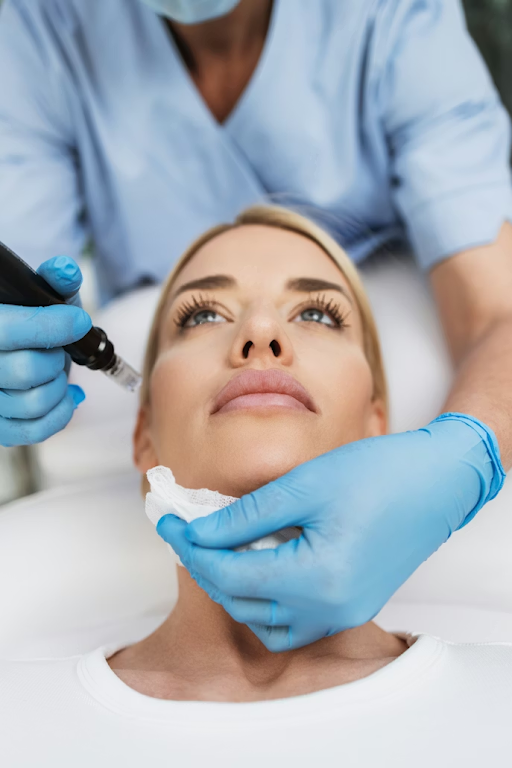
Offering non-surgical cosmetic procedures, including botulinum toxin injections (anti-wrinkle), dermal fillers, and skin treatments such as chemical peels or microneedling.
Revenue potential
Botulinum toxin treatments are priced at £150–£400 per area. A pharmacist-aesthetics practitioner treating 5–10 patients per week generates £40,000–£100,000+ annually from this service. The UK aesthetics market continues to grow strongly.
How to get started
This is a highly regulated area. As of 2024, botulinum toxin and dermal fillers are prescription-only medicines in the UK—meaning only a registered prescriber can authorize their use. You will need to be (or work with) a prescribing pharmacist, nurse, or doctor. Accreditation through a recognised body such as the Joint Council for Cosmetic Practitioners (JCCP) or Save Face is strongly recommended. Your GPhC profile must clearly note this activity, and your pharmacy’s insurance must explicitly cover aesthetic procedures.
15. Diabetes and Chronic Disease Screening
What it is
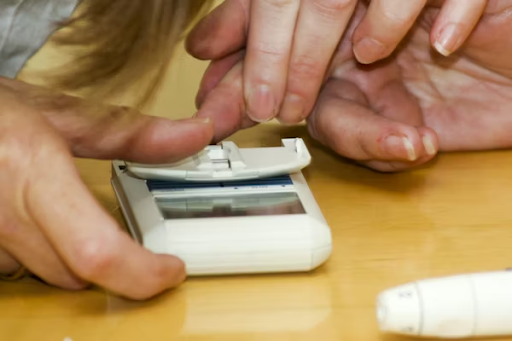
Offering private HbA1c testing, fasting glucose checks, diabetes risk assessments, and ongoing monitoring services for private patients—including structured reviews for those with type 2 diabetes seeking support outside the NHS.
Revenue potential
A diabetes health check priced at £40–£70, with quarterly follow-up consultations generating recurring income. Corporate wellness contracts often include diabetes screening. This is also a strong feeder service for other revenue streams such as weight management.
How to get started
Point-of-care HbA1c devices (e.g., Afinion, Cobas b101) allow immediate results in the pharmacy. Training in diabetes management is available through Diabetes UK and various CPD platforms. Pharmacist independent prescribers can offer full structured reviews.
16. Mental Health and Well-Being Support
What it is
Offering private consultations for anxiety, low mood, or stress management, with signposting and referral, alongside medicine reviews and — for prescribing pharmacists — prescription management for stable mental health conditions.
Revenue potential
Wellness and mental health are growing sectors. Consultation fees of £40–£80 per session, combined with the ability to manage prescriptions for stable patients, add meaningful revenue while meeting a genuine patient need.
How to get started
Pharmacists undertaking mental health consultations should complete appropriate CPD, such as the RPS Mental Health Pharmacy Specialty modules. Prescribing pharmacists can extend their scope into this area. Building a referral network with local counselors and therapists adds clinical credibility.
17. How to Get Started: A Step-by-Step Framework
Moving from NHS-only dispensing to a multi-service private pharmacy doesn’t happen overnight, but it doesn’t need to be overwhelming either. Here is a practical framework:
Step 1 — Assess your current capacity.
Which of the services above align with your team’s existing qualifications, your physical space, and your patient demographic? Start with two or three services and build from there.
Step 2 — Identify your training gaps
Most private services require specific qualifications or competency evidence. Map your team’s current CPD records against the requirements above and create a training plan.
Step 3 — Establish your clinical governance framework.
Every private service requires written standard operating procedures (SOPs), a consent policy, a complaints procedure, and appropriate documentation. This is non-negotiable for both GPhC compliance and patient safety.
Step 4—Secure your patient group directions.
For any service involving the supply of prescription-only medicines without an individual prescription, you need a valid PGD signed by a doctor, pharmacist, and the organisation’s responsible person. PGDs are one of the most important tools in your private services toolkit — and getting the right ones in place is essential before you launch.
Step 5 — Optimise your consultation space
A dedicated, private consultation room — even a small one — dramatically increases patient confidence in clinical services and allows you to comply with GDPR and confidentiality requirements.
Step 6 — Price your services correctly.
Research what competing providers charge in your area, but do not race to the bottom. Private patients are paying for convenience, speed, expertise, and trust. Price accordingly.
Step 7 — Market your services.
Your existing patients are your first audience. In-pharmacy signage, proactive conversations at the dispensary counter, a well-maintained Google Business Profile, and a simple, professional website will drive uptake far more effectively than most pharmacies realise.
Step 8 — Review and optimise.
Track the number of appointments, revenue per service, and patient satisfaction for each private offering. Double down on what works and adjust what doesn’t.
18. How PharmaEscalator Can Help You Grow
Launching private services is the first step — but consistently growing them, retaining patients, and building a reputation that makes your pharmacy the first choice in your community requires ongoing strategy and support.
That’s exactly what PharmaEscalator is built for. From proven techniques to attract new private patients, to strategies for increasing patient loyalty and lifetime value, PharmaEscalator gives independent pharmacy owners the practical tools they need to grow their business — not just maintain it. If you want to go beyond the basics and build a pharmacy that genuinely thrives in today’s competitive market, it’s well worth exploring what’s available there.
19. FAQs
Do I need additional GPhC registration to offer private services?
No — your existing GPhC pharmacy registration covers you to operate as a pharmacy business. However, specific services may require additional registrations or certifications: yellow fever vaccination requires NaTHNaC centre registration, aesthetic procedures require independent prescriber status, and certain clinical activities may require CQC registration (particularly if you employ nurses or other regulated healthcare professionals delivering regulated activities). Always confirm the specific requirements for each service before launching.
Can a pharmacist prescribe medicines for private patients?
Yes — but only if the pharmacist holds an Independent Prescriber (IP) qualification, obtained through a GPhC-accredited university programme. A Pharmacist Independent Prescriber can assess patients, diagnose within their competence, and prescribe the full formulary of licensed medicines for private patients. For pharmacists without an IP qualification, medicines can still be supplied under a Patient Group Direction for defined conditions and patient groups. Standard pharmacists cannot issue private prescriptions.
What is a Patient Group Direction and do I need one for private services?
A Patient Group Direction (PGD) is a legal document that allows specified healthcare professionals — including pharmacists — to supply or administer a prescription-only medicine to a defined group of patients without an individual prescription. PGDs are essential for services such as minor ailment consultations, EHC supply, travel health, and vaccination programmes where you need to supply POMs without a prescriber writing a script for each patient. For a detailed breakdown of how PGDs work and how to put them in place, see our dedicated guide.
How much should I charge for private pharmacy services?
Pricing varies by service, geography, and patient demographic. As a general principle, charge enough to cover your costs (staff time, consumables, equipment depreciation, insurance) and generate a meaningful margin — and remember that private patients are primarily paying for speed, convenience, and expertise. For reference: travel consultations typically range from £20–£50 (plus vaccine costs), ear wax removal £50–£90, wellness injections £25–£80, and weight management programmes £50–£150 per month (plus medicines). Research local competitors, but resist underpricing — it devalues your service and attracts price-sensitive patients who are less likely to become loyal long-term users.
Do I need a separate consultation room to offer private services?
Legally, the specific requirement is that you are able to provide services with appropriate privacy and confidentiality. For most clinical services, a dedicated consultation room is effectively required to meet GDPR obligations, patient dignity requirements, and GPhC standards. Many pharmacies use a counselling room, which, when properly fitted out, serves this purpose well. For services involving injections, blood draws, or clinical examinations, a room with a clinical couch, handwashing facilities, and clinical waste disposal is strongly recommended.
Will offering private services affect my NHS contract or reputation?
No — running private services alongside your NHS contract is entirely legal and commonplace. The NHS contract governs your dispensing obligations; private services are supplementary. The key requirement is that you never charge NHS patients for services that should be provided free of charge under their NHS entitlements, and that you do not use your NHS contract to cross-subsidise private services in a way that would breach your terms of service. Many pharmacies find that private services actually enhance their reputation, as patients see them as a broader healthcare resource rather than just a dispensary.
What insurance do I need for private pharmacy services?
Your standard pharmacy public liability and professional indemnity insurance may not automatically cover all private clinical services, particularly injectable procedures, aesthetics, or blood tests. You must inform your insurer of every service you plan to offer and obtain explicit confirmation that you are covered. For aesthetic services in particular, specialist aesthetics indemnity insurance (such as that offered by Hamilton Fraser or Cosmetic Insure) is often required separately. Additionally, ensure your GPhC registration profile accurately reflects the nature of your practice — a material mismatch between your declared activities and your actual services creates both regulatory and insurance risk.
20. Conclusion
Private pharmacy services represent one of the most significant and accessible opportunities for independent pharmacy owners in the UK today. The regulatory frameworks are clear, the patient demand is strong, and the revenue potential — as you have seen above — is substantial. Whether you begin with travel health, ear wax removal, or a minor ailment service, each new offering you introduce diversifies your income, deepens your relationship with your patient base, and builds the kind of pharmacy business that is genuinely future-proof.
The pharmacies that will thrive in the next decade are those that move decisively — investing in training, governance, and patient experience — rather than those waiting for NHS contract terms to improve.
Start with one service. Do it well. Then build from there.
And when you’re ready to take your pharmacy’s growth strategy further, PharmaEscalator is ready to help you do exactly that.