
 0 Likes
 0
Views
0
Views
 Written by - Vivek
 Introduction
The NHS funding landscape for community pharmacies has never been tighter. Dispensing margins are squeezed, reimbursement rates continue to lag behind costs, and many independent pharmacies are being forced to find new ways to sustain their businesses. The answer, for a growing number of forward-thinking pharmacy owners across the UK, lies in private services.
Private revenue streams not only diversify income — they transform the role of the pharmacist in the community, attract new patients, and create a more commercially resilient business. From travel clinics and weight management programmes to ear wax removal and health screening, private services represent one of the most significant growth opportunities available to independent pharmacies today.
This guide walks you through the key private services worth offering, how to get started, what to charge, and how to bring patients through the door.
1.Why Private Services Are No Longer Optional
The pharmacy sector is in the middle of a structural shift. Consolidation among larger chains, the rise of online dispensaries, and persistent underfunding of NHS services mean that independent pharmacies must evolve to survive.
Private services offer several immediate advantages:
Higher margins.
Unlike dispensing fees, private services are priced to reflect the value delivered and the pharmacist’s clinical expertise.
Patient loyalty
When someone receives a trusted, professional service at their local pharmacy—whether a travel vaccination or a personalised weight loss consultation—they are far more likely to return and to recommend the service to others.
Clinical fulfillment
Many pharmacists entered the profession to make a meaningful difference to patient health. Private services create the space to do that, beyond the constraints of a traditional dispensing-led model.
New patient acquisition.
People who may never have visited your pharmacy for dispensing are drawn in through services they actively seek out and are willing to pay for.
2. Key Private Services to Consider
2.1 Travel Clinic Services
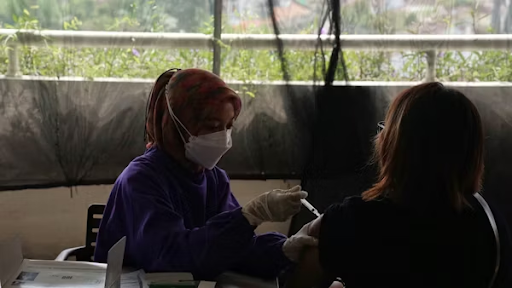
A pharmacy-based travel clinic is one of the most profitable and scalable private services available. With millions of UK residents travelling internationally each year, demand for travel health advice and vaccinations is robust and consistent.
What’s involved
Travel health consultations, destination-specific risk assessments, and administration of vaccines such as typhoid, hepatitis A and B, yellow fever, Japanese encephalitis, meningitis, rabies, and antimalarial prescriptions.
Set-up requirements
Yellow fever designation requires specific MHRA approval and trained practitioners. For other travel vaccines, pharmacists with an independent prescribing qualification or a patient group direction (PGD) can administer the most common vaccines.
Typical pricing
A travel consultation ranges from £20 to £40; individual vaccines typically range from £45 to £90+, depending on the vaccine. Yellow fever vaccination and certification typically command £65–£80 per patient.
Patient acquisition tips
Register with the NaTHNaC (National Travel Health Network and Centre) fit-for-travel directory, optimize your Google Business Profile for “travel clinic near me,” and partner with local travel agents or GP surgeries who frequently signpost patients.
2.2 Weight Management Services
Obesity affects over a quarter of UK adults, and demand for structured, evidence-based weight management support has never been higher — particularly with the rise of GLP-1 receptor agonist medications such as semaglutide (Wegovy/Ozempic).
What’s involved
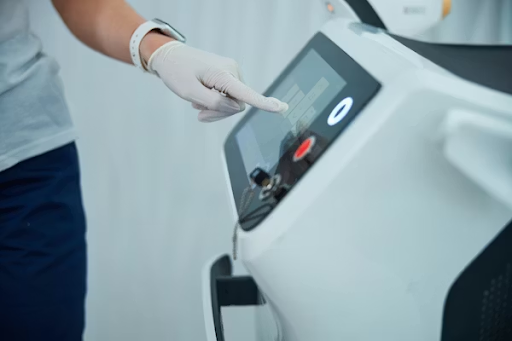
Initial clinical assessment, BMI and health history screening, personalised diet and lifestyle advice, and—where appropriate—pharmacological support including prescribing of weight loss medications.
Set-up requirements
A structured consultation model, the ability to prescribe (or a link to a prescribing partner), and a robust process for monitoring patients on medications like semaglutide.
Typical pricing
Initial consultations range from £30 to £60. Monthly monitoring visits typically start from £20. Medication itself is an additional significant revenue stream; private semaglutide prescriptions currently represent a major income opportunity.
Patient acquisition tips
Social media content around weight management tends to perform well, particularly on Facebook and Instagram, targeting adults aged 35–65. Patient testimonials, before-and-after journeys (with consent), and posts around seasonal motivators such as the New Year and summer are particularly effective.
2.3 Earwax Removal
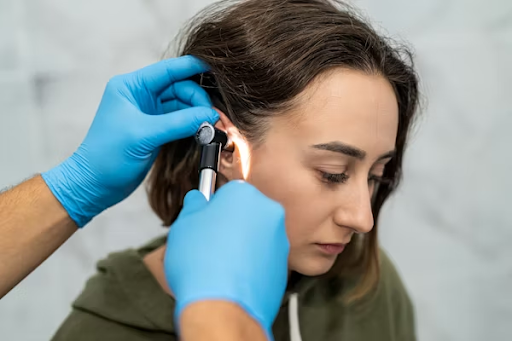
Ear wax removal by microsuction has become one of the most in-demand private services in UK community pharmacies. The NHS largely withdrew ear-syringing services, leaving a significant gap that private providers are filling.
What’s involved
Microsuction is the gold standard method—safe, effective, and well-tolerated by most patients. Ear irrigation is an alternative method that requires less specialised equipment.
Set-up requirements
Training in microsuction (several accredited training providers offer one or two-day courses), a microsuction unit (typically £800–£2,000), otoscopes, and appropriate infection control protocols.
Typical pricing
Microsuction for one ear is typically priced at £55–£70 and for both ears at £70–£90.
Patient acquisition tips
Ear wax removal is almost exclusively searched online, so a Google Business Profile optimized with the term “ear wax removal” and a dedicated page on your website with patient FAQs will drive significant organic inquiries.
2.4 Health Screening Services
Preventive health screening positions your pharmacy as a proactive health partner, not just a reactive dispenser. Patients are increasingly willing to pay for reassurance and early detection.
What’s involved
A range of point-of-care tests and clinical assessments, which may include:
-
Blood pressure monitoring and cardiovascular risk assessment
-
Cholesterol and lipid profiling
-
HbA1c (diabetes screening)
-
Full blood count and liver function via finger-prick tests
-
INR monitoring for patients on warfarin
-
Testosterone and hormone panels
-
Body composition analysis (DEXA or bioelectrical impedance)
Set-up requirements
Point-of-care testing equipment (various suppliers, including Roche, Abbott, and Siemens, offer pharmacy-suitable units), appropriate clinical governance, and results management protocols.
Typical pricing
Individual tests range from £15 to £45; comprehensive health check packages can be priced from £79 to £199, depending on the scope.
Patient acquisition tips
Corporate wellness partnerships—approaching local businesses to offer employee health checks—are a high-yield strategy. Workplace packages can generate block bookings and recurring revenue
2.5 Private GP-Level Consultations and Minor Ailment Services
With NHS GP appointment waiting times at record highs, many patients are actively seeking private consultation alternatives. Pharmacists with independent prescribing qualifications are exceptionally well-placed to fill this gap.
What’s involved
Consultations for minor ailments (UTIs, skin conditions, conjunctivitis, musculoskeletal complaints), chronic disease reviews, and acute management — with prescriptions issued where appropriate.
Set-up requirements
Independent prescriber qualification, appropriate indemnity insurance (GPhC requirements apply), and a private consultation room.
Typical pricing
Minor ailment consultations typically range from £25 to £50. More complex consultations may be priced higher.
2.6 Smoking Cessation (Enhanced Private Offering)
While smoking cessation is offered as an NHS service by many pharmacies, a private enhanced model—including combination pharmacotherapy, personalized motivational support, and digital follow-up—can command a premium.
What’s involved
Full stop-smoking program over 12 weeks with tailored pharmacotherapy (NRT combinations, varenicline where available, or e-cigarette support pathways), carbon monoxide monitoring, and structured follow-up appointments.
Typical pricing
Full 12-week program priced at £99–£199 inclusive of initial consultation and follow-up sessions.
2.7 Hormone and Men’s Health Services
Men’s health is a rapidly growing private sector niche. Many men feel uncomfortable visiting a GP for issues such as testosterone deficiency, erectile dysfunction, or hair loss — but are increasingly comfortable seeking help from a trusted pharmacist in a familiar environment.
What’s involved
Clinical consultation, relevant blood testing (often via a point-of-care or external lab pathway), and private prescribing where appropriate.
Typical pricing
Initial consultation and testing packages from £75 to £150.
3. Setting Up: Practical Steps
Getting a private service off the ground doesn’t require a major overhaul of your pharmacy. Most services can be introduced incrementally, starting with one or two offerings and expanding as demand grows.
Step 1 — Identify demand in your local area
Look at your existing patient base. What do they ask about most frequently? Check what GP practices in your catchment area are not providing. Review local search trends using Google Keyword Planner or simply speak to your regular customers.
Step 2 — Invest in the right training.
Most private services require specific competency. Microsuction, travel health, and independent prescribing all have recognised training pathways. Budget for CPD as part of your business plan.
Step 3 — Create a proper consultation space.
A clean, private consultation room is essential — not just for clinical reasons but because it signals professionalism to paying patients.
Step 4 — Price confidently.
Underpricing your services is a common mistake. Research local competitors, factor in your time, equipment, and overheads, and price in a way that reflects the quality of your care.
Step 5 — Build an online presence
Private patients will search for services online before they walk through your door. A well-optimised website, an active Google Business Profile, and a presence on social media are no longer optional—they are prerequisites for private patient acquisition.
4. How to Acquire Private Patients
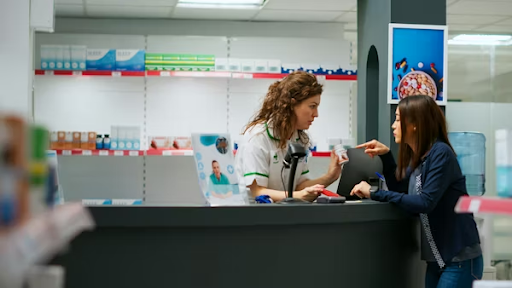
Growing a private patient base requires a different mindset to traditional pharmacy marketing. NHS patients come to you through prescriptions. Private patients choose to come to you, which means you need to give them a reason.
Digital presence
Offering paid private consultations for common conditions — UTIs, skin conditions, eye infections, cold sores, hay fever, minor injuries, and more — with the pharmacist either supplying a prescription-only medicine under a PGD or recommending appropriate OTC treatment.
Revenue potential
Your website should clearly list every private service you offer, with dedicated pages for each. Include pricing (transparency builds trust), booking functionality, and patient FAQs.
Google Business Profile
This is one of the highest-return investments for any independent pharmacy. Ensure your profile is fully completed, regularly updated with posts, and actively soliciting patient reviews.
Social media
Consistent, educational content on Facebook and Instagram—addressing common patient concerns, explaining services, and showcasing your team’s expertise—builds trust and keeps your pharmacy top of mind.
GP relationships
Many GPs are happy to signpost patients to trusted local pharmacies for services they cannot offer in-house. A brief introductory meeting with nearby practice managers can open up a steady referral stream.
Leaflet campaigns
For high-demand local services like ear wax removal or flu vaccines, targeted leaflet drops in a defined catchment radius can generate strong response rates.
Patient reviews
Reviews on Google, NHS.uk, and Trustpilot significantly influence new patient decisions. Actively ask satisfied patients to leave a review — a simple verbal request at the end of a consultation is often enough.
5. Why Choose PharmaEscalator as Your Digital Partner
Growing private services is only half the challenge. The other half is making sure patients can find you, trust you, and book with you — consistently and at scale. That’s where PharmaEscalator comes in.
PharmaEscalator is a specialist digital partner built specifically for independent UK pharmacies. Unlike generic marketing agencies, PharmaEscalator understands the regulatory environment, the clinical sensitivities, and the commercial realities that pharmacy owners face every day.
Here’s how PharmaEscalator helps pharmacies grow their private services revenue:
Pharmacy-Specific Website Design and Development
PharmaEscalator builds high-converting, professionally designed pharmacy websites that are structured to rank well on search engines and to convert visitors into booked appointments. Each service page is crafted to address patient questions, build confidence, and drive action.
Local SEO and Google Business Profile Optimisation
For private services, local search visibility is everything. PharmaEscalator’s local SEO strategies ensure your pharmacy appears prominently when patients in your area search for travel clinics, ear wax removal, weight management support, and other services you offer.
Content Marketing and Patient Education
PharmaEscalator creates authoritative, engaging content that positions your pharmacy as the trusted health destination in your community. From blog posts and FAQs to social media content and email campaigns, every piece of content is designed to attract, educate, and convert private patients.
Paid Advertising Management
When you want to generate results quickly — particularly when launching a new service — PharmaEscalator manages targeted Google Ads and Meta (Facebook/Instagram) campaigns tailored to pharmacy audiences, ensuring your ad spend delivers measurable return on investment.
Online booking integration friction
It kills conversions. PharmaEscalator helps pharmacies implement smooth, user-friendly online booking systems so that patients who find you online can book immediately — without needing to call.
Performance Reporting and Strategic Guidance
You’ll know exactly what’s working. PharmaEscalator provides clear, jargon-free reporting and proactive strategic recommendations to help you make the most of your digital investment and keep your private services growing month on month.
Whether you’re just starting with private services or looking to scale an already established offering, PharmaEscalator provides the digital infrastructure and expertise to help you reach more patients, build more trust, and generate more revenue.
Visit pharmaescalator.co.uk to learn more or to arrange a conversation with the team.
6. FAQs
How much can a UK pharmacy realistically earn from private services?
The range is wide, but many independent pharmacies that actively invest in and promote private services generate between £50,000 and £200,000+ in additional annual revenue. Travel clinics, earwax removal, and weight management programs are among the highest earners when properly marketed. The key variable is how consistently you attract patients, which is where digital presence and patient acquisition strategy make the biggest difference.
Do I need an independent prescriber qualification to offer private services?
Not for all services. Earwax removal, health screening, and certain travel vaccinations (under a PGD framework) do not require an IP qualification. However, having an independent prescribing qualification significantly widens the range of services you can offer—particularly for weight management with medication, men’s health, and private minor ailment consultations. It is a worthwhile investment for any pharmacist serious about growing a private offering.
How do I price my private services competitively?
Research is the starting point — look at what other private providers (including GP-led clinics, high street chains, and specialist clinics) charge in your area. Then factor in your overheads, time per consultation, equipment costs, and the expertise you bring. Avoid the common mistake of underpricing; patients associate price with quality, and rates that are too low can actually reduce confidence in your offering. PharmaEscalator can help you benchmark pricing as part of a broader private services strategy.
How do I get my first private patients through the door?
Start with your existing patient base. A significant proportion of your current dispensing patients will have unmet private health needs. A simple in-pharmacy display, a post on your social media pages, or a brief mention to patients during their next visit can generate early bookings. At the same time, ensuring you appear in local Google searches is critical for new patient acquisition — anyone searching “travel clinic near me” or “ear wax removal [your town]” should find your pharmacy quickly and easily.
Can private services coexist with my NHS obligations?
Absolutely. Private services are designed to complement NHS activity, not replace it. Many pharmacies operate private clinics in dedicated slots outside core dispensing hours, or in a consultation room separate from the dispensary. The key is organisational — clear booking systems, appropriate staff training, and a consultation space that reflects the premium nature of the service.
Is there regulatory oversight for private pharmacy services?
Yes. Private pharmacy services must comply with GPhC standards, the relevant professional guidelines (including NICE guidance where applicable), and any service-specific regulatory requirements. For example, yellow fever vaccination centres must be approved by the NaTHNaC; Independent Prescribers must hold a current annotation on their GPhC registration. Professional indemnity insurance is essential for all clinical private services, and PharmaEscalator can point you in the right direction when it comes to ensuring your digital presence accurately and compliantly represents your services.
How does PharmaEscalator specifically help pharmacies grow private services revenue?
PharmaEscalator works with independent UK pharmacies as a dedicated digital partner to help them attract and convert more private patients. This includes building high-converting websites with dedicated private service pages, optimising your Google Business Profile and local SEO so patients in your area can find you, creating educational content that builds trust, managing paid advertising campaigns to generate rapid results, and integrating online booking to remove friction from the patient journey. Unlike general marketing agencies, PharmaEscalator understands the pharmacy sector — the regulatory environment, the clinical sensitivities, and the commercial pressures that owners face. The result is a joined-up digital strategy that consistently brings more private patients to your door. Find out more at pharmaescalator.co.uk.